Understanding OFAC Sanctions on Cuba: Regulations and Implications
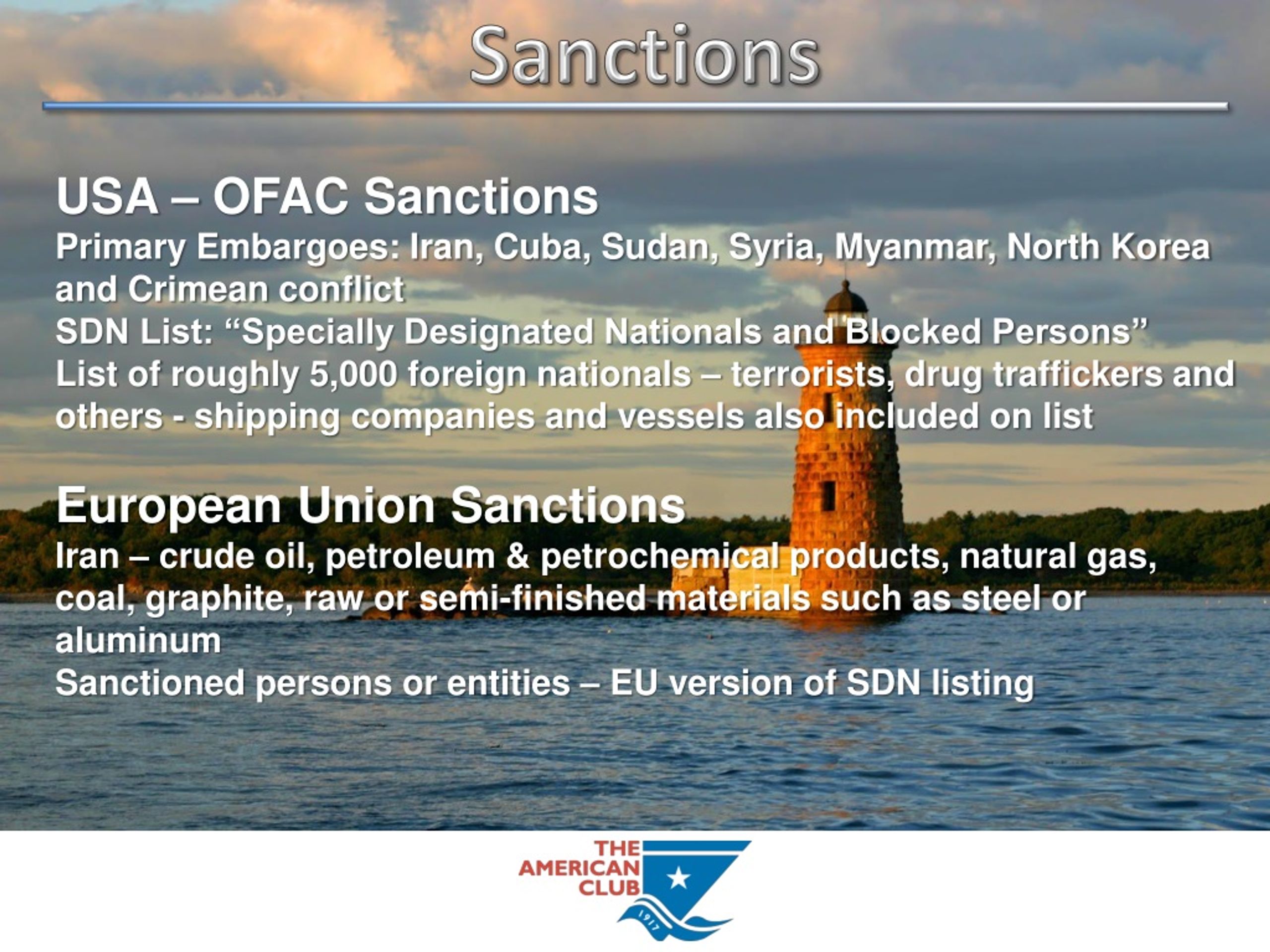
The Office of Foreign Assets Control (OFAC) has played a significant role in shaping the economic landscape of Cuba through its sanctions framework. Understanding these regulations is crucial for anyone wanting to engage with Cuba or simply seeking to comprehend U.S. policy towards the island nation. To learn more about the rules related to OFAC sanctions on Cuba, visit OFAC sanctions Cuba https://foodtrucklady.com/pages/?ofac-sanctions-on-cuba-rules.html. Over the decades, the intricate tapestry of sanctions has evolved, reflecting the shifting political landscape both domestically and internationally.

The Historical Context of OFAC Sanctions on Cuba
OFAC sanctions on Cuba trace their history back to the early 1960s. Following the Cuban Revolution, which saw Fidel Castro come to power, the U.S. government became increasingly concerned about the potential spread of communism in the Western Hemisphere. This led to the partial trade embargo in October 1960, initially aimed at restricting the export of certain goods to Cuba. As the situation deteriorated, sanctions intensified, reaching their peak with the complete embargo established in 1962.
The Evolution of Sanctions
Over the years, U.S. policy towards Cuba has fluctuated based on the administration in power. While some administrations have sought to engage and normalize relations, others have reverted to stricter sanctions. The Helms-Burton Act of 1996 further codified the embargo into law, making it difficult for subsequent administrations to modify or lift the sanctions without legislative approval.
In recent years, actions taken during the Obama administration attempted to thaw relations between the two nations. The 2014 announcement of renewed diplomatic ties came with the easing of certain restrictions, particularly those related to travel and remittances. However, this shift was reversed under the Trump administration, which reinstated many of the restrictions that had previously been relaxed.
Current Status of OFAC Sanctions on Cuba
As of now, OFAC sanctions on Cuba remain stringent. Individuals and businesses must navigate a complex framework of regulations that dictate what activities are permissible. The current sanctions prohibit various transactions with Cuban entities, particularly those related to certain sectors such as hospitality, telecommunications, and financial services. This makes engaging with Cuba a challenging endeavor for U.S. citizens and businesses.
The regulations categorize allowable activities into general licenses and specific licenses, with the former being granted under certain criteria and the latter requiring formal application processes. Consequently, understanding how to operate legally within these constraints is paramount.
Key Regulations Imposed by OFAC
Among the most significant restrictions imposed by OFAC include:
- Trade Restrictions: Generally, U.S. individuals and entities are prohibited from engaging in trade with Cuban organizations.
- Financial Transactions: Most financial transactions with Cuban financial institutions are banned, limiting the ability of U.S. businesses to conduct business in Cuba.
- Travel Restrictions: Travel to Cuba for tourism purposes is prohibited. However, travel is permitted under specific categories, such as family visits, official business, and educational activities.
- Investment Limitations: Direct investment in Cuba remains largely restricted, particularly in sectors that are controlled by the military or those deemed to be supportive of the government.
Implications for Individuals and Businesses
The ramifications of OFAC sanctions on Cuba extend beyond government policy and affect everyday life for individuals and businesses. For example, U.S. citizens wishing to travel to Cuba must abide by the sanctioned categories, and failure to comply can result in severe penalties, including fines and restrictions on future travel.
For businesses, especially those in the hospitality and tourism sector, understanding OFAC sanctions is crucial to avoid potential repercussions. Engaging with Cuba can entail navigating a complicated landscape of legal requirements, making it imperative for businesses to conduct thorough research and possibly seek legal counsel to ensure compliance.
Challenges and Opportunities
Despite the significant challenges posed by OFAC sanctions, there are still opportunities for engagement. Areas such as humanitarian assistance, some cultural exchanges, and certain licensed educational programs allow for a degree of interaction with Cuba. Understanding the nuances of these allowances can enable individuals and organizations to foster relationships and support the Cuban people in meaningful ways.
Additionally, as discussions around easing sanctions continue to surface in political dialogue, the landscape may change, presenting new opportunities for trade and collaboration between the U.S. and Cuba in the future. Engaging in this dialogue requires constant monitoring of regulatory changes and proactive planning by interested parties.
The Future of OFAC Sanctions on Cuba
The future of OFAC sanctions on Cuba remains uncertain, influenced by both domestic U.S. politics and Cuba’s internal developments. Observers note
that significant reform in U.S.-Cuba relations will likely require a bipartisan approach, recognizing the complex history and distinctive challenges both nations face.
As discussions of potential policy shifts continue, it is vital for individuals and businesses to remain informed about the latest developments. Understanding the implications of these sanctions and how they affect economic opportunities will position them favorably in navigating this challenging yet dynamic landscape.
Conclusion
In summary, OFAC sanctions on Cuba represent a complicated intersection of foreign policy, trade regulations, and human rights concerns. As regulations evolve, the opportunities for engagement will likewise change. By monitoring the landscape and understanding the fundamentals of these sanctions, individuals and businesses can better navigate the complexities of U.S.-Cuba relations and contribute positively to dialogue between the two nations.